Hiking
Winter Hiking in Snowdonia: Essential Kit and Safety Tips for Cold Weather
Snowdonia in winter is a different range. Paths that felt straightforward in June turn steep, polished and iced, and wind that barely registered in summer decides whether you can stay upright on a ridge. None of that is a reason to stay at home. It is a reason to treat a winter day as a small expedition rather than a walk. Get the layering, the timing and the traction right, and December offers the best days of the year: hard frost, empty ridges, and air clear enough to pick out the Irish hills.
Read the forecast before you choose the mountain
Winter planning starts with weather, not route descriptions. Check the Mountain Weather Information Service and the Met Office mountain forecast the night before and again in the morning, because they often disagree and the morning update matters more than the outlook. Volunteer-run winter conditions reports and local forums can tell you whether the ground is bare, glazed or holding snow, though treat second-hand reports as a hint rather than a promise.
Wind is the number that changes plans. Sustained 40mph on an exposed ridge makes walking difficult and turns a temperature of 2°C into something that bites through every layer you own. Visibility matters almost as much: a whiteout on the Glyderau is navigation, not walking.
If the forecast offers a window of a few hours between fronts, take it and pick a route you can retreat from easily. Always hold two or three options. A day earmarked for Crib Goch can become a circuit of Cwm Idwal or a low-level walk around Llyn Padarn, and nothing is wasted. In winter, Crib Goch and the upper reaches of Tryfan are serious mountaineering terrain, not walking routes with a dusting on top.
Layering: three working layers and one to stop in
Forget one thick jacket. Moving uphill in a big insulated layer means you sweat, then freeze the moment you stop. Build from a base layer that moves sweat away — merino or a synthetic — add a fleece or light synthetic mid layer, and finish with a waterproof shell that also cuts wind. Carry a belay jacket, ideally synthetic, to pull on over everything the second you stop for food or a decision.
- Two pairs of gloves minimum, plus thin liners. Wet gloves are the fastest route to a miserable, clumsy day.
- A warm hat and a spare, and a buff or balaclava for spindrift on ridges.
- Goggles or wraparound glasses for wind-blown snow, which is far more common than deep powder in Eryri.
- Over-trousers, even if the forecast looks dry. They add warmth as well as protection.
- No cotton anywhere, including socks and T-shirt.
Start slightly cool on the ascent and add layers as you gain height or slow down. Practise changing layers with gloves on; fumbling with zips at 800 metres in a gust is where people get cold.
Traction and footwear
This is the decision that separates a good day from an epic. Stiffer, warmer boots than your summer pair are a sensible starting point, and crampon-compatible soles matter if you plan to be on steep snow.
- Trekking poles for icy valley paths, the Llanberis Path, and any low-level walking in freezing conditions.
- Microspikes or similar for hard-packed paths and glazed tracks where the angle is gentle. They are not crampons and will not hold on steep ground or hard water ice.
- Crampons and an ice axe for steep snow, gullies and ridge lines. They only add safety if you have practised using them.
That last point deserves emphasis. Carrying an axe you cannot arrest with, or crampons you have never front-pointed in, gives confidence without giving security. If you are new to winter mountains, spend a day with a qualified instructor or guide covering crampon technique, self-arrest, avalanche awareness and navigation. Mountain Training and the British Mountaineering Council list providers and courses. One day of instruction buys you skills for every winter hill day that follows.
Daylight is the real deadline
In mid-December, sunset in Snowdonia is before four in the afternoon and proper daylight arrives slowly. Plan for roughly seven usable hours and expect to spend longer than you think: snow slows everything, and navigating in poor visibility can halve your pace on a route you know well in summer.
Carry two lights, or one plus spare batteries, and test them at home. Leave the car park at first light rather than mid-morning, and write your turnaround time on the back of your hand. Get some night navigation practice in on a familiar path before you need it for real.
Set your turnaround time at the car park, when you are warm and thinking clearly — not at half past three on a ridge, when you have already invested four hours of effort and the summit looks close.
Emergency kit and the small things
Your winter pack is heavier, and that is fine. The essentials earn their weight when plans go wrong.
- Map, compass and the knowledge to use them. Paper does not lose charge in the cold. Keep a phone or GPS in an inside pocket, with a power bank.
- A bothy bag or group shelter, plus a foil blanket. A shelter lets a cold, wet or injured person wait out of the wind.
- A headtorch, spare batteries and a whistle.
- Extra food — a full day's spare — and a flask. Cold, wind and effort all burn fuel faster.
- A basic first aid kit, including tape and a spare warm layer.
- Emergency contact details, a charged phone, and a route left with someone who will notice if you do not return.
Mobile signal is patchy at best in the Ogwen Valley and around Cwm Idwal. If you need help, dial 999 or 112, ask for the police and then mountain rescue, and give a grid reference if you have one. Keep the casualty insulated from the ground, out of the wind and as warm as you can while you wait.
If you have a heart or lung condition, or you are unsure how your body will handle cold, wind and exertion, speak to your GP before planning anything ambitious.
Decisions on the hill
Winter rewards conservative choices. Snowdonia does not carry the continental snowpack of the Scottish Highlands, but gullies and lee slopes can still hold wind slab, cornices form along ridgelines, and a slope that looks harmless can slide. Check the avalanche forecast whenever you are heading for steep ground.
Look for the signs: recent wind transport, cracking underfoot, whumpfing sounds, and steep lee bowls loaded with fresh snow. If any of that is present, choose a ridge or a lower route instead. Treat other people's tracks as information, not permission, and do not follow a line simply because it exists.
A five-minute routine before you leave the car
- Re-read the mountain forecast and note the wind speed and the time of sunset.
- Agree the route, the alternatives and a turnaround time as a group.
- Check everyone has waterproofs, spare gloves, hat and a torch that works.
- Confirm the emergency kit is in one pack, not split across three.
- Send your route and expected return time to someone at home, and message them when you are back down.
Winter in Snowdonia is quiet, sharp and genuinely worth the effort. Take the extra kit, start early, keep the turnaround time honest, and it will be the season you look forward to most.
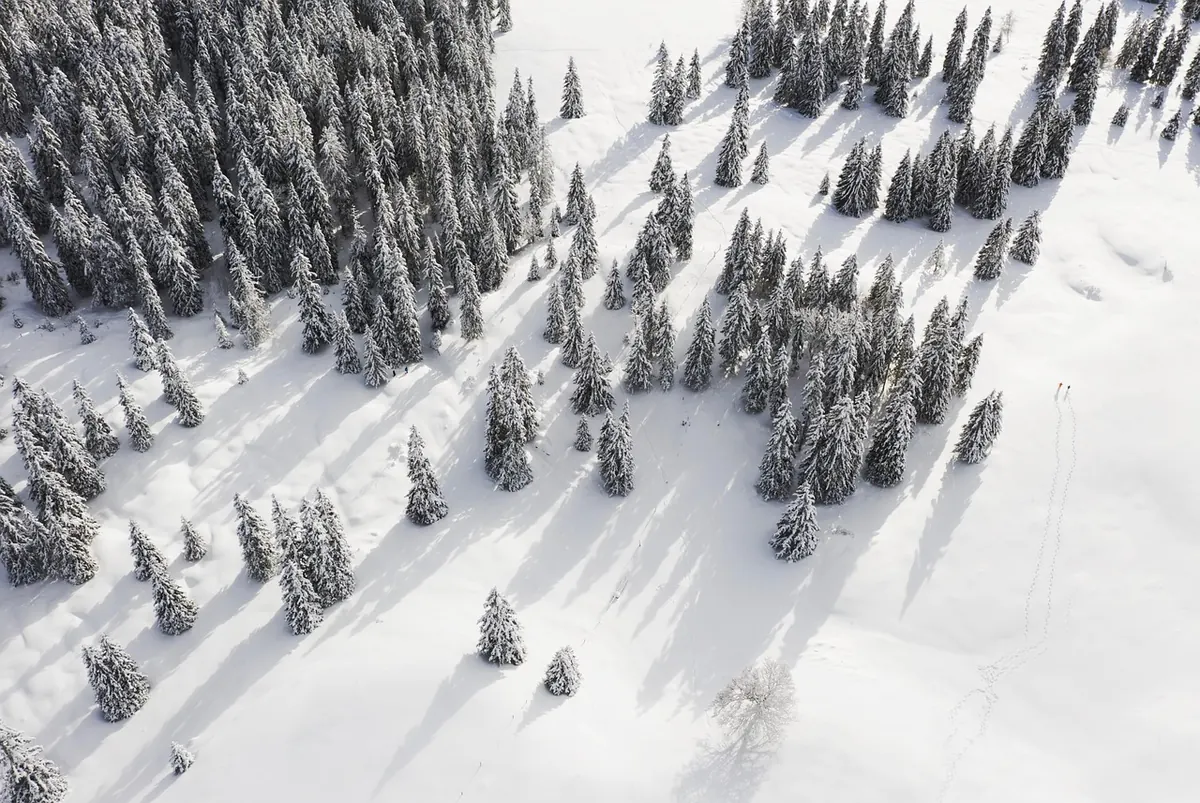
Photo: maxsezzy / Pixabay
Related Articles