Hiking
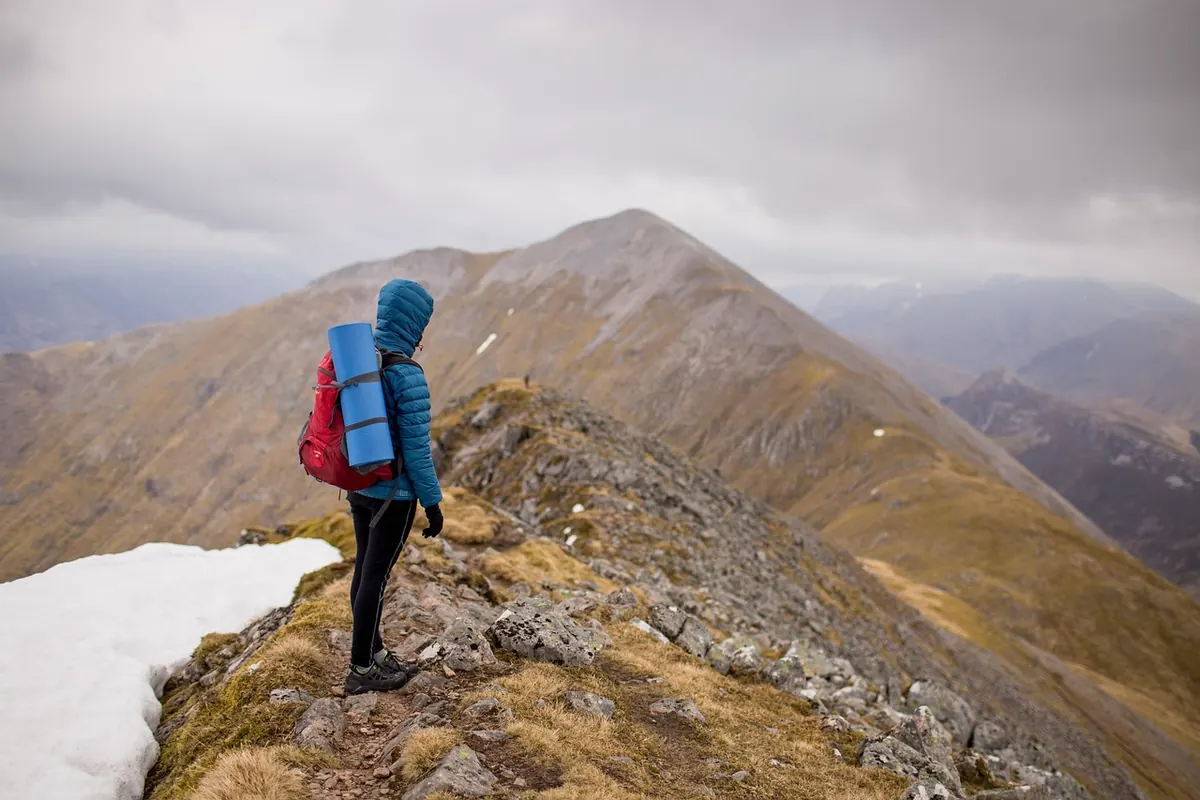
The UK's National Three Peaks Challenge: A Realistic Training Plan for Beginners
Three mountains, three countries and rather a lot of time in a minibus. The National Three Peaks Challenge — Ben Nevis, Scafell Pike and Yr Wyddfa (Snowdon) — is most often attempted inside 24 hours, which means the walking is only half of what you are training for. The other half is functioning calmly when you are tired, cold and standing in a car park at three in the morning.
The good news is that beginners finish this challenge every year. There is no rope work, no ice axe in summer conditions, no technical climbing. It is a long, hilly, sleep-deprived day — and that is something you can prepare for in twelve weeks.
What the challenge actually asks of you
Across the three peaks you will walk roughly 40 kilometres and climb just over 3,000 metres, spread over three ascents and descents. Ben Nevis is the longest single climb. Scafell Pike, from Wasdale, is the shortest but arguably the roughest underfoot. Yr Wyddfa usually comes last, in the dark, when your legs have already done the work.
None of those days would trouble a reasonably fit walker on its own. Stacked together, with driving between them and very little sleep, they become something else. So the plan below develops three things at once: climbing fitness, the ability to keep going when tired, and the practical habits that stop small problems turning into big ones.
The 12-week framework at a glance
Treat this as a shape rather than a strict schedule, and move sessions around to suit your week.
Weeks 1–4: build a base
Three or four sessions a week. Two brisk walks of 45–60 minutes, one hill or stair session, and one longer walk of two to three hours at the weekend. Add light strength work for legs and core. Nothing heroic — consistency matters far more than intensity here.
Weeks 5–8: add load and distance
Increase the long walk to four or five hours, ideally somewhere with real hills. Introduce a rucksack of 5–7 kg and build gradually. Once in this block, walk long on the Saturday and again for two to three hours on the Sunday. Back-to-back days are the closest rehearsal you can get.
Weeks 9–11: peak and rehearse
One big weekend: six to eight hours on the Saturday, four to five on the Sunday, carrying the weight you will carry on the day. Do at least one walk after dark with a headtorch. Test every item of kit you plan to take.
Week 12: taper
Cut the volume by half, keep moving, sleep well, pack. Do not squeeze in one last epic walk — you will only arrive at Ben Nevis with tired legs.
Building hill fitness without a mountain nearby
You do not need Snowdonia on your doorstep. You need to make your legs climb. Good options:
- Stair repeats. Find a long flight, a multi-storey car park or a stadium and go up and down for 30–40 minutes. Climb briskly, descend gently — downhill is what wrecks quads.
- Treadmill inclines. Set 8–12 per cent and walk for 45 minutes. Boring, but effective.
- Weighted rucksack walks. Start at 5 kg and build towards 8–10 kg, which is roughly what you will carry with water and spare layers.
- Strength work. Step-ups, split squats, calf raises and a little core. Twice a week, fifteen minutes, is plenty.
- Low-impact filler. Cycling or swimming on recovery days keeps the habit going without hammering your knees.
Practice walks: make them earn their place
A long walk that is just a long walk is a wasted opportunity. Give every outing a job. Practise eating and drinking while you are moving, because on the day you will not stop for a sit-down meal. Practise putting on and taking off layers without removing your rucksack. Practise changing socks quickly in the back of a car.
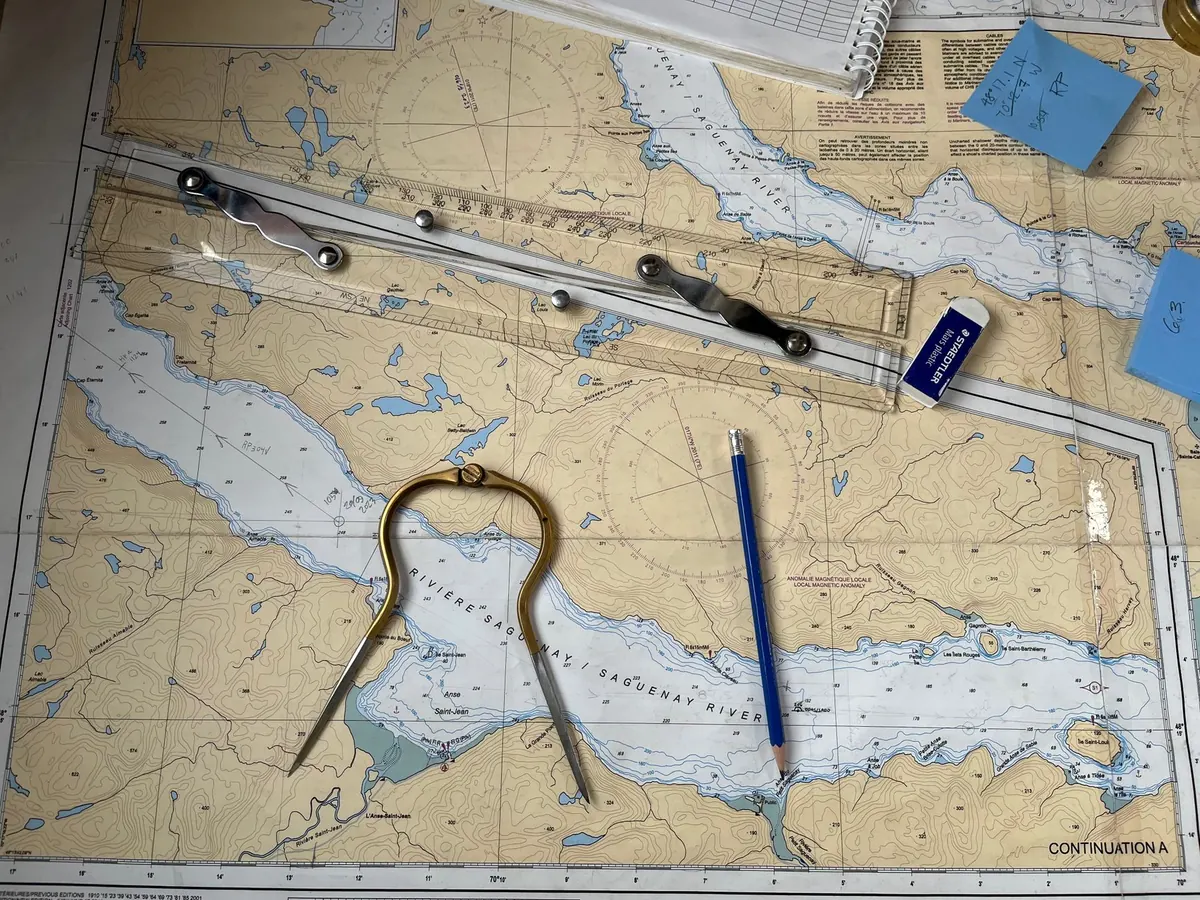
Walk a hill you have never visited at least once. Navigation on an unfamiliar path in the dark is a different skill from following a route you know, and it is far better to discover that now than at midnight on Scafell Pike.
Recovery, sleep and fuelling
Most people who drop out of the Three Peaks do not do it because their legs give up. They do it because they get cold, sick, or tired enough to make poor decisions. Recovery habits are part of training.
Sleep is the awkward one. You cannot bank it, but you can practise operating on less of it — a night walk or an early start will show you how you cope. Eat little and often rather than one big meal: sandwiches, oatcakes, nuts, bananas and something salty. Drink before you are thirsty, and be cautious with caffeine; it helps at 2 a.m. and can leave you jittery and unable to rest at 5 a.m.
Look after your feet above all else. Boots or shoes should have at least 50 km on them before the challenge, socks should be wool or synthetic rather than cotton, and any hot spot should be taped the moment you feel it. If you have a heart, lung, joint or circulation condition, or any doubt about your health, speak to your GP before starting a training plan.
Logistics your training should rehearse
The transitions are where time disappears. Decide now who drives, and whether you have a second driver who can rotate through the night. Pack each person's kit in the same order every time so nobody is hunting for gloves in the dark. Keep a dry bag with a full change of clothes and a warm layer that stays in the vehicle and is never worn on a hill.
Have a weather plan. High winds on the Ben or a cloud-covered Yr Wyddfa may mean turning back or taking a lower route, and finishing late is better than finishing dangerously. Nobody is refereeing this challenge; it is your day, and you set the terms.
Your first week, realistically
Start small and be specific. Monday: a 45-minute brisk walk. Wednesday: 30 minutes of stair repeats. Saturday: two hours on the nearest hill with a light pack. Write it down, tick it off, add a little each week.
Twelve weeks is enough for a beginner to reach the foot of Ben Nevis prepared — not athletic, just ready. Train the hills, rehearse the tiredness, sort the kit, and the day itself will feel like a long, hard, memorable walk rather than a gamble.
Photo: Pexels / Pixabay
Related Articles